certified neurodiversity practitioner
neuroscience based regulation support
lifestyle medicine
The journey to health and restoration is a returning.
CLIENT REVIEWS
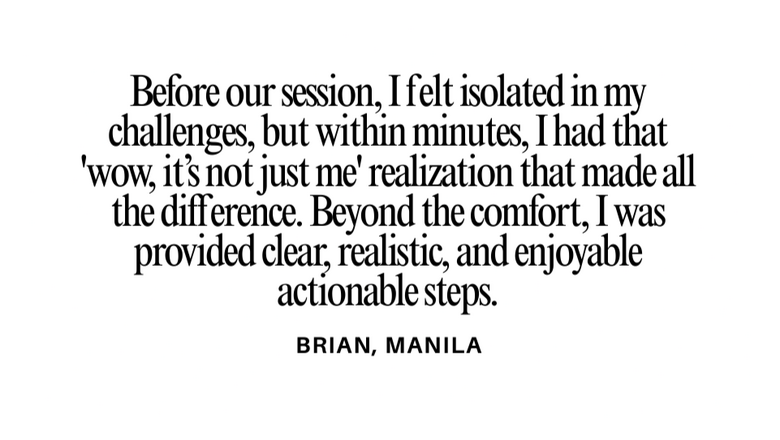
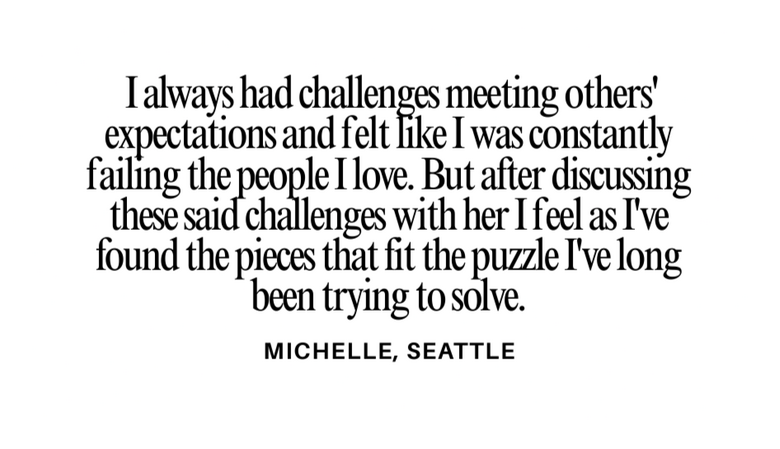
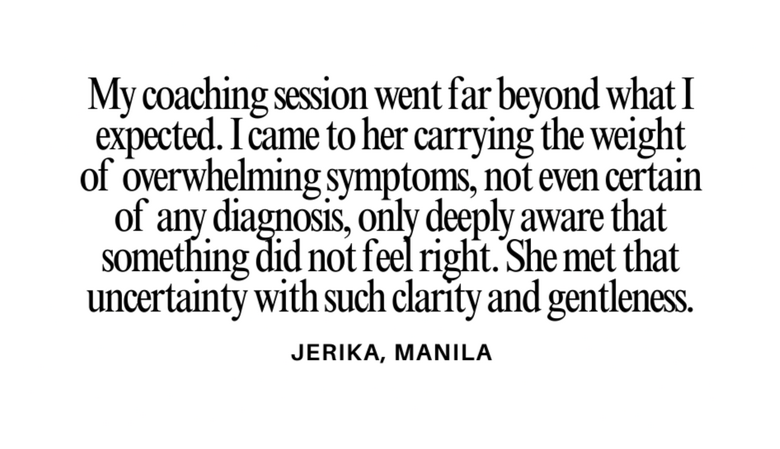
about
Katherine sycip, M.Th., IPHM
Katherine SyCip, IPHM, works in lifestyle-medicine oriented and neuroscience-based performance coaching. She is a Certified Neurodiversity Practitioner. She is certified by the International Practitioners of Holistic Medicine, UK as well as IAOTH or International Association of Therapists.She holds a Masters in Theology and is on track to complete a Lifestyle Medicine Coaching Program with Harvard Medical School in the first quarter of 2026.These credentials formalize a path she has walked for years.She works with late diagnosed adults, families of neurodivergent individuals, and professionals who function at a high level yet live near burnout. In 2015, before any formal training, she and her husband, both late diagnosed ASD and ADHD, built their own stability toolkit while navigating chronic stress, burnout cycles, energy collapse, and nervous system volatility.
She supports:
Late diagnosed or self identified neurodivergent adults in burnout, shutdown, or cognitive drainParents and families seeking non shaming ways to understand and support neurodivergent loved onesExecutives, creatives, and knowledge workers who have relied on masking as their primary adaptationIndividuals carrying chronic stress, chronic illness, dysautonomia patterns, nervous system instability, or systemic symptoms unresolved by standard careClients often arrive after exhausting traditional options.Coaching is customized, longitudinal, and structured to hold through flare ups, meltdowns, and chronic stress without forcing neurotypical assumptions onto neurodivergent lives.Her background in theology informs the way she works with meaning, purpose, and internal orientation. It adds a layer to coaching that accounts for spiritual coherence, personal conviction, integrity, and the deeper narratives that shape resilience.
The scoping session is a crucial one. Here we put together a needs analysis and craft a coaching plan for the client. This way, we can move forward with well-defined, achievable and actionable goals together. This runs for 60-90 minutes.For non-neurodivergent individuals, coaching sessions focus on neuroscience-based, polyvagal approaches to nervous system regulation, and stress resilience.This includes assessment and reports on physical symptom mapping as well as preliminary neurodiversity screening for high-masking Autism, ADD/ADHD as well as AuDHD. (Note: Note a diagnosis, but a good first step toward official diagnosis)Online on Zoom
After a first intake session, book a follow-up session. Regular (biweekly, weekly or monthly) helps ensure progress and prevents nervous system overload.Online on Zoom
PHYSICAL SYMPTOM CHECKLIST
Neurodivergent individuals often experience a cluster of symptoms related to autonomic function, or the "automated" control systems of the body.They are often hard to diagnose unless seen as a whole, and are often treated pharmaceutically -- but only symptomatically. Not holistically.
YOUR ASSESSMENT SCORES
Congratulations on taking our free self-assessment tool for Autonomic Dysfunction. If you want more assessment on the scoring criteria, have a look at the table below.
POTS (0–20)
0 = no signal
1–4 = some probability
5–8 = considerable probability
9–12 = strong probability
13–16 = high probability
17–20 = very high probabilityMCAS (0–24)
0 = no signal
1–5 = some probability
6–10 = considerable probability
11–15 = strong probability
16–20 = high probability
21–24 = very high probabilityEDS (0–40)
0 = no signal
1–10 = some probability
11–20 = considerable probability
21–28 = strong probability
29–34 = high probability
35–40 = very high probability